Why Learn Kung Fu?

Kung fu is far more than a system of self-defence—it is a lifelong practice that develops the body, the mind, and the character. Through consistent training, students cultivate balance, coordination, strength, and flexibility, while also learning how to move efficiently and with purpose. The precision required in traditional systems such as Wing Chun trains practitioners to understand structure, timing, and sensitivity, allowing them to respond calmly and effectively in dynamic situations.

Beyond the physical benefits, kung fu offers powerful mental and emotional development. Training encourages focus, patience, and discipline, helping students to manage stress and maintain clarity under pressure. The process of learning and refining techniques teaches perseverance and resilience—valuable qualities that extend well beyond the training hall into professional and personal life.

Kung fu is also deeply rooted in tradition and philosophy. By learning authentic lineages, students connect with centuries of knowledge passed down through generations. This includes not only techniques, but also principles such as efficiency, humility, respect, and continuous self-improvement. In a modern world that often prioritises speed and convenience, kung fu provides a meaningful and structured path for personal growth.

Finally, kung fu training offers a sense of community. Students train together, support one another, and share in the challenges and achievements that come with progress. Whether your goal is to improve fitness, develop self-defence skills, or pursue a deeper understanding of traditional martial arts, kung fu offers a practical and rewarding path that can be sustained for a lifetime.

My daughter Vanessa (10 years old) performing Bung Bo Keun (Praying Mantis) at the 3rd World Hung Kuen Championships in 2019.
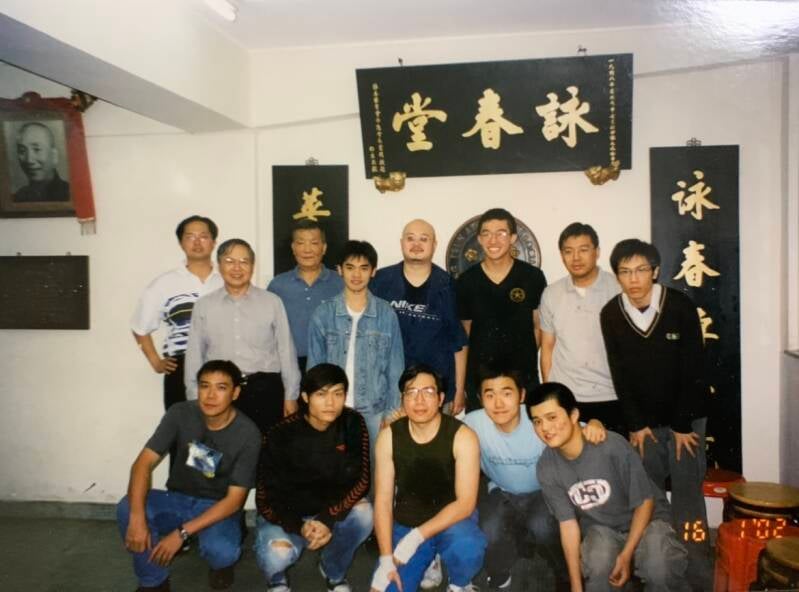
With Sifu Ip Ching and Kung Fu Brothers at the VTAA
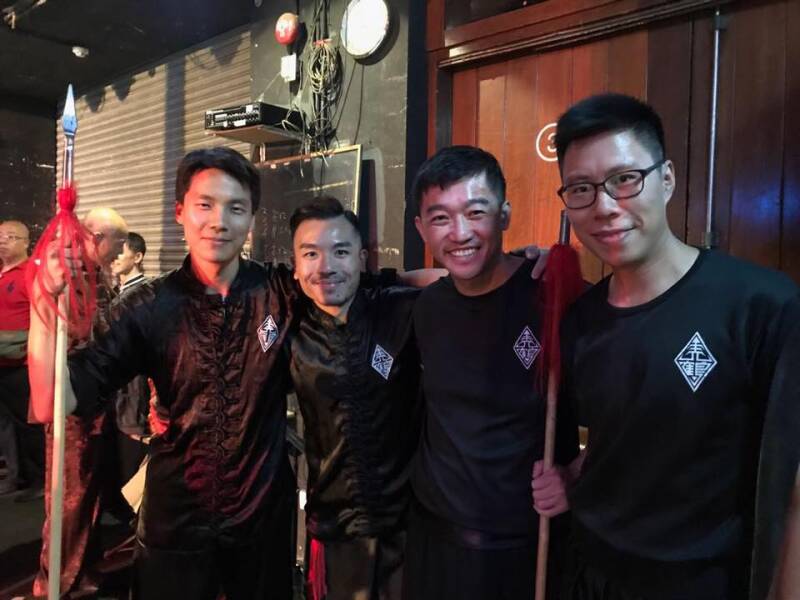
With Sihing Oscar Lam and Kung Fu Brothers Yeung Chung Bo and Frederik Mok after performances
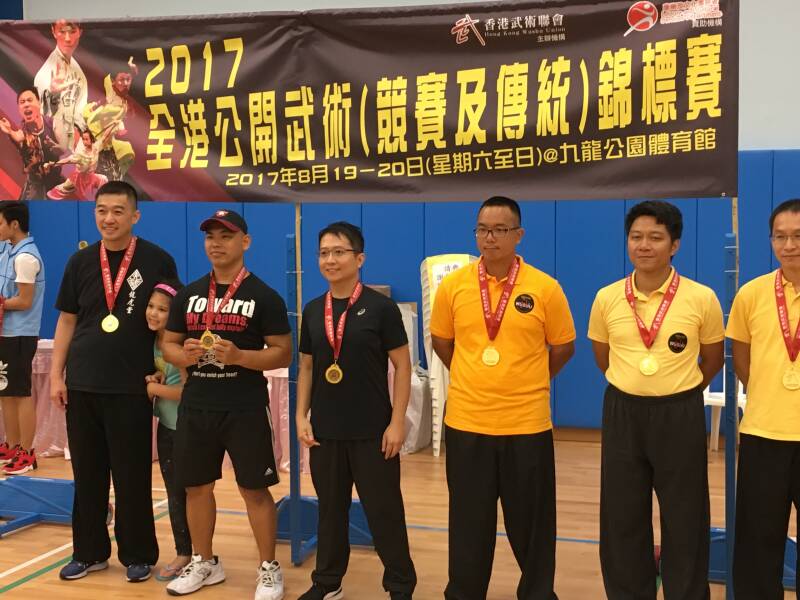
Gold medal ceremony at the 2017 Hong Kong Traditional Kung Fu Championships

Frequently asked questions

It all began with a simple idea fueled by a deep passion. As a small business, we pride ourselves on personal attention and dedication to every detail. Our approach is rooted in quality and integrity, ensuring that everything we do reflects our commitment to excellence.

Do I need any prior experience to start learning kung fu?

No prior experience is required. Beginners are welcome at all levels. Training is structured to build a strong foundation step by step, focusing on basic stance, structure, and movement before progressing to more advanced concepts.

Am I too old to start training?

Kung fu is suitable for all ages. Training can be adapted to individual fitness levels and capabilities. Many students begin later in life and benefit greatly from improved mobility, coordination, and mental focus.

Is kung fu mainly about fighting?

No. While kung fu includes self-defence applications, training primarily focuses on developing structure, coordination, sensitivity, and efficiency of movement. My own competition experience has been in traditional forms (routine-based performance), which emphasises technique, precision, and understanding of the system rather than fighting.

What styles do you teach?

The core system taught is Ip Man Wing Chun lineage through Grandmaster Ip Ching. I also teach the entire Lam Family Hung Kuen curriculum to provide a broader understanding of traditional Chinese martial arts, particularly in strength and conditioning.  For those that are interested, I also teach Yuan Kay Shan Wing Chun Kuen system.

How long does it take to become proficient?

Kung fu is a long-term practice. Students typically begin to develop a solid foundation within the first year, but true proficiency comes through consistent training over time. The focus is on continuous improvement rather than quick progression.

As a general guide, in Wing Chun it may take around three years to learn the core forms, while in Hung Kuen a similar period is often required to cover the foundational sets. However, this is only a reference point. Progress varies from student to student and depends largely on how much you are able to absorb and apply. Those who train consistently and grasp the principles more quickly will progress faster—and I will teach accordingly.

What will I gain from training?

Students can expect improvements in fitness, coordination, posture, and balance. Equally important are the mental benefits, including focus, discipline, resilience, and the ability to remain calm under pressure.

Is sparring required?

Training is primarily focused on forms, drills, and structured partner exercises such as sensitivity training. Any application work is introduced progressively and safely, with an emphasis on understanding rather than competition.

How often should I train?

Consistency is more important than intensity. Even one session per week and then practising on one's own can lead to steady progress. Students are encouraged to practise regularly on their own to reinforce what they learn in class.

Do you teach traditional weapons?

Yes, traditional weapons are part of the curriculum at more advanced levels, including classical Wing Chun weapons such as the long pole and double knives, as well as the entire Lam Family Hung Kuen weapons curriculum.

What makes your teaching approach different?

My teaching emphasises structure, biomechanics, and efficiency—ensuring that students understand not just how to perform techniques, but why they work. This approach is rooted in authentic lineage training and informed by decades of personal practice and refinement.

Beyond the ordinary

This is where our journey begins. Get to know our business and what we do, and how we're committed to quality and great service. Join us as we grow and succeed together. We're glad you're here to be a part of our story.