

Wing Chun Kuen - A Practical and Efficient Martial Art
Wing Chun is a practical and highly efficient Southern Chinese martial art built on directness, structure, and economy of movement. Instead of relying on brute strength or large circular motions, Wing Chun trains practitioners to use correct alignment, sensitivity and timing to neutralise attacks through the shortest path.
This makes it suitable for people of all ages and professions, including those with demanding schedules, as Wing Chun relies on technique over physical strength.
Wing Chun also develops mental calmness, focus and discipline — skills many practitioners find beneficial in both personal and professional life.
The below overview is written for those who want to understand the depth of the Wing Chun system. Please know that beginners are welcome with zero experience — you don't need to know any of this before your first class.
Empty Hand Routines
Wing Chun has three empty hand routines which trains the practitioners stance, skeletal structure and coordination between the stance, waist and hips with hand techniques. A short summary of these routines are set out below:
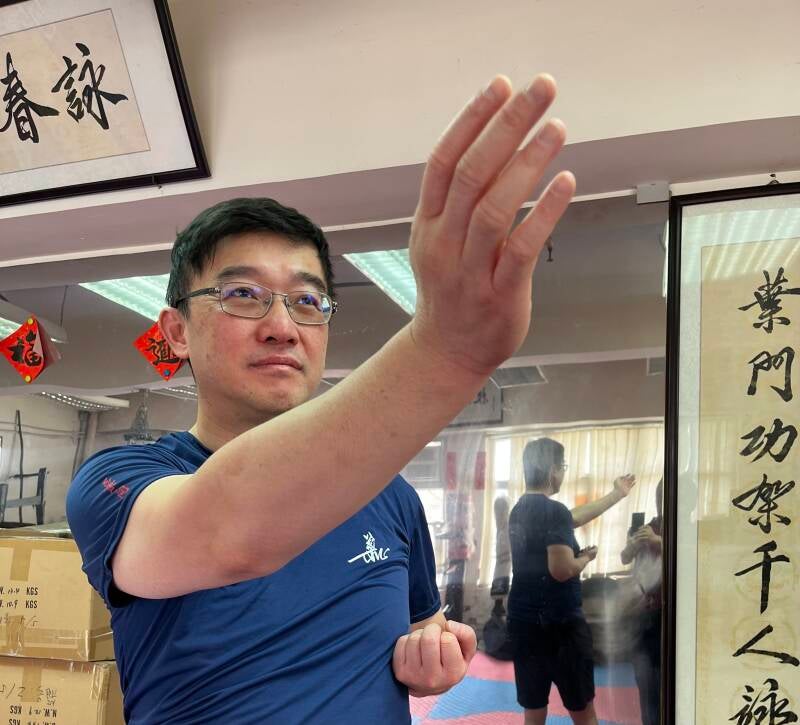
Sil Lim Tao (Little Idea)
Sil Lim Tao ("Little Idea") is the first and most essential form in Wing Chun. Practised in the still Yi Ji Kim Yeung Ma or Wing Chun stance, it teaches:
- correct posture
- centreline awareness
- elbow positioning
- straight-line punching
- relaxed but structurally aligned movement
By training slowly and deliberately, practitioners learn to reduce unnecessary tension, maintain alignment, and develop grounded structure. Sil Lim Tao forms the technical blueprint of the art, laying the foundation for power generation and sensitivity in later forms.
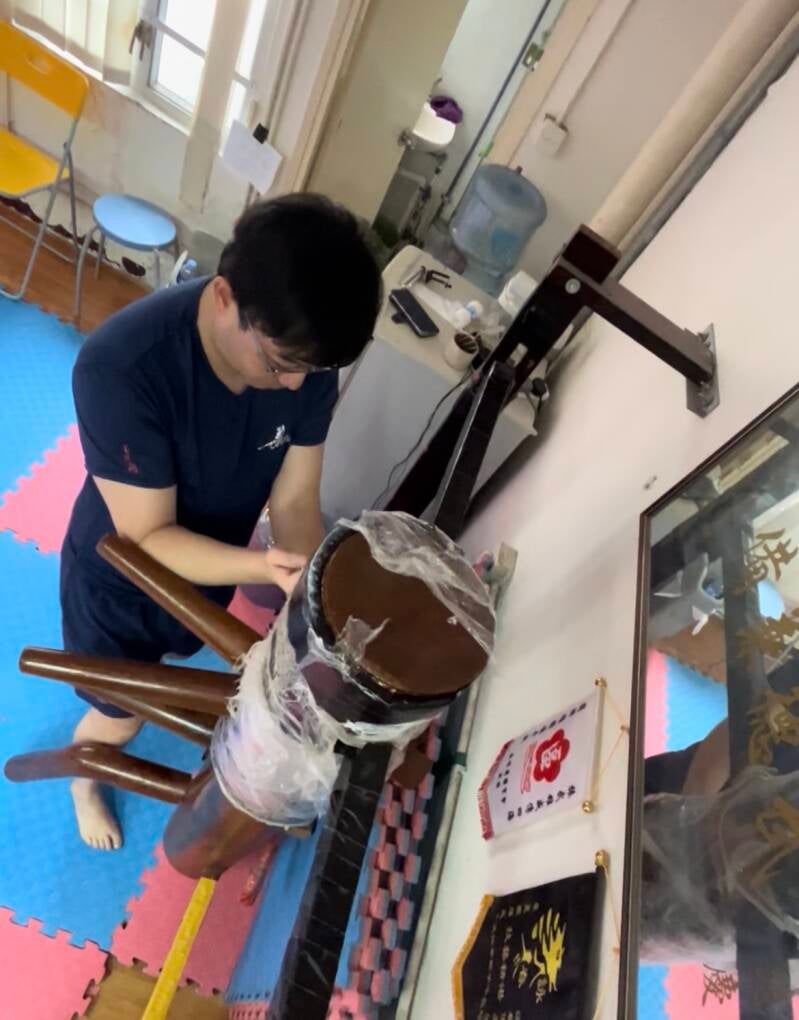
Chum Kiu (Seeking Bridge)
Chum Kiu ("Seeking Bridge") introduces stance turning, stepping and coordinated body mechanics. A core principle is that the hands must always lead the waist and hips, because hand sensitivity provides the fastest response in close-range contact.
Once the hands detect pressure or an opening, Yiu Ma — the coordinated action of stance, waist and hips — supports the movement by providing stability, power and structural integrity.
Chum Kiu trains practitioners to:
- bridge to the opponent
- control angles
- deflect force efficiently
- apply whole-body power through coordinated motion
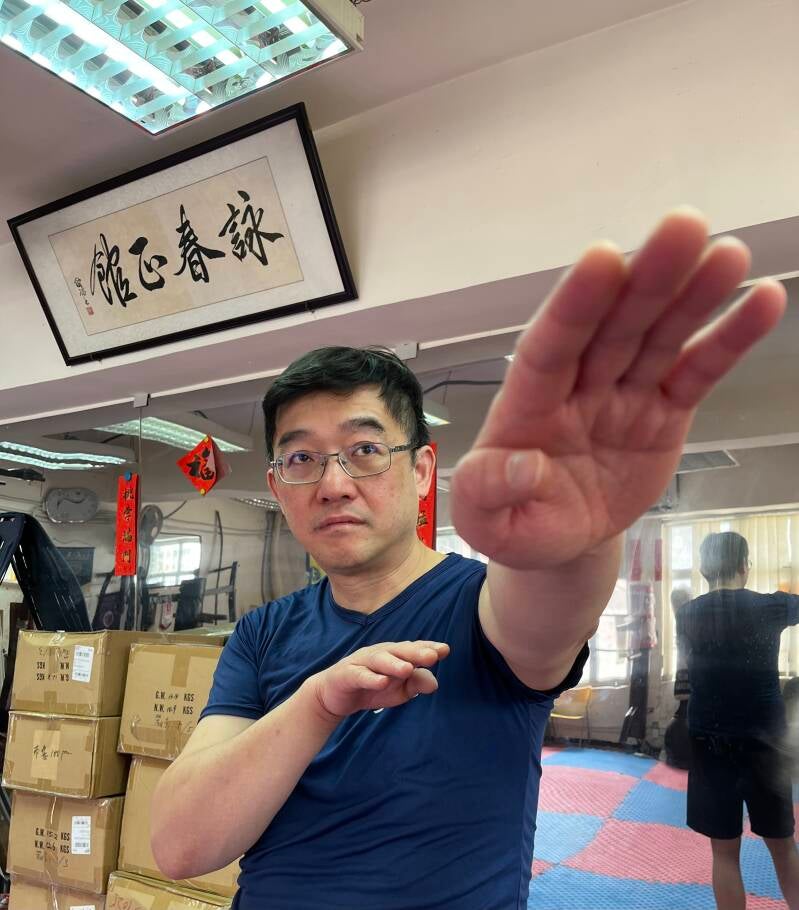
Biu Jee (Darting Fingers)
Biu Jee ("Darting Fingers") explores advanced techniques and specialised forms of power. It trains three distinct types of power:
- Darting and blasting power — explosive short-range strikes
- Combination power — chaining rapid techniques
- Opposite-direction power — generating torque through opposing forces
Biu Jee also teaches recovery techniques for regaining structure, centreline control and position during sticky hands or sparring. It equips practitioners to recover from compromised situations effectively.
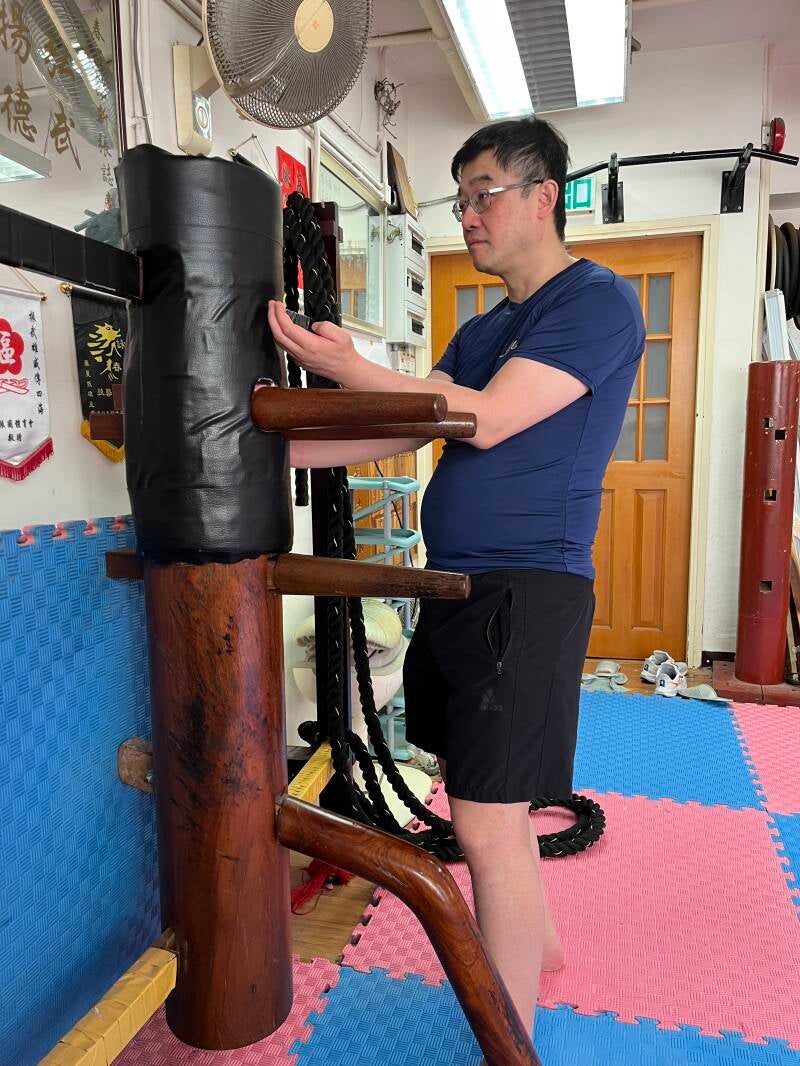
Wooden Dummy - Structure, Angles and Integrated Power
The Wooden Dummy (Muk Yan Jong) refines the practical skills learned from the three empty-hand forms. It trains:
- precise angles
- footwork and distance
- correct positioning
- timing
- whole-body power
A key principle is sticking — keeping the arms as close as possible to the Dummy's arms to preserve contact and control. Dummy training also emphasizes using Yiu Ma to generate power while minimising unnecessary hand movement, ensuring techniques rely on structure rather than arm strength.

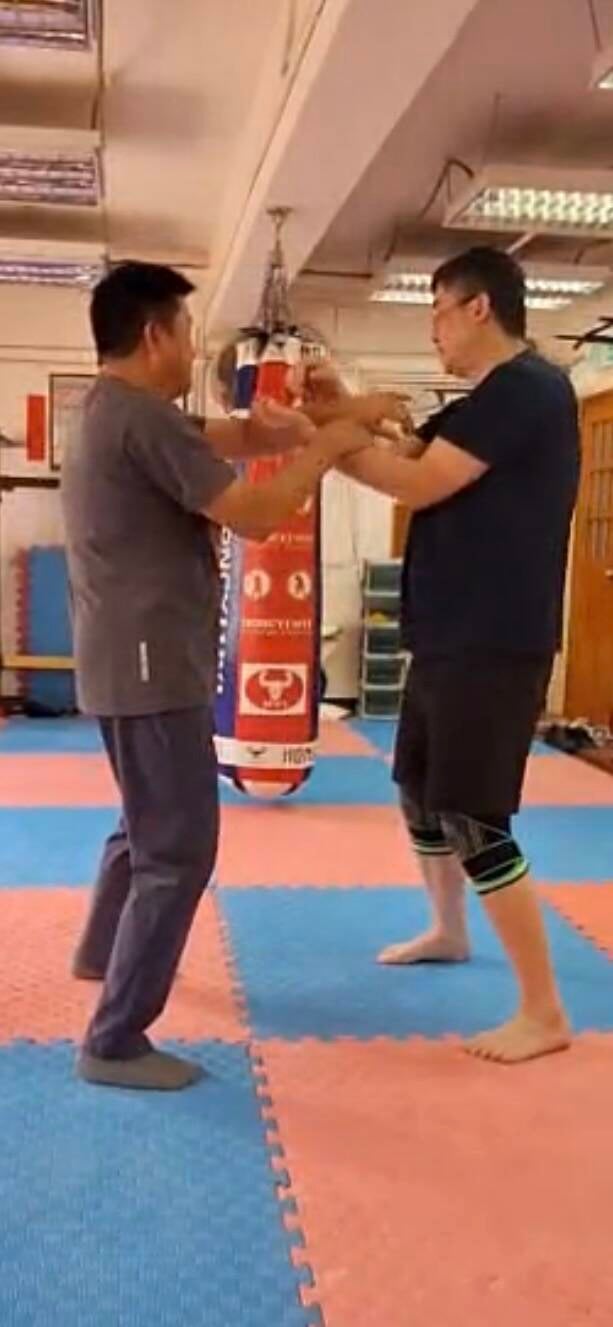
Chi Sau - Sticky Hands - Sensitivity, Reflex and Structural Strength Training
Chi Sau ("Sticky Hands") develops tactile reflexes that allow practitioners to react far faster than visual perception. Through constant arm contact, practitioners learn to:
- read pressure instantly
- redirect or borrow force
- maintain centreline dominance
- strike efficiently without telegraphing movements
Chi Sau also trains coordinated use of skeletal structure and Yiu Ma to provide stability and effortless power during close-range exchanges.

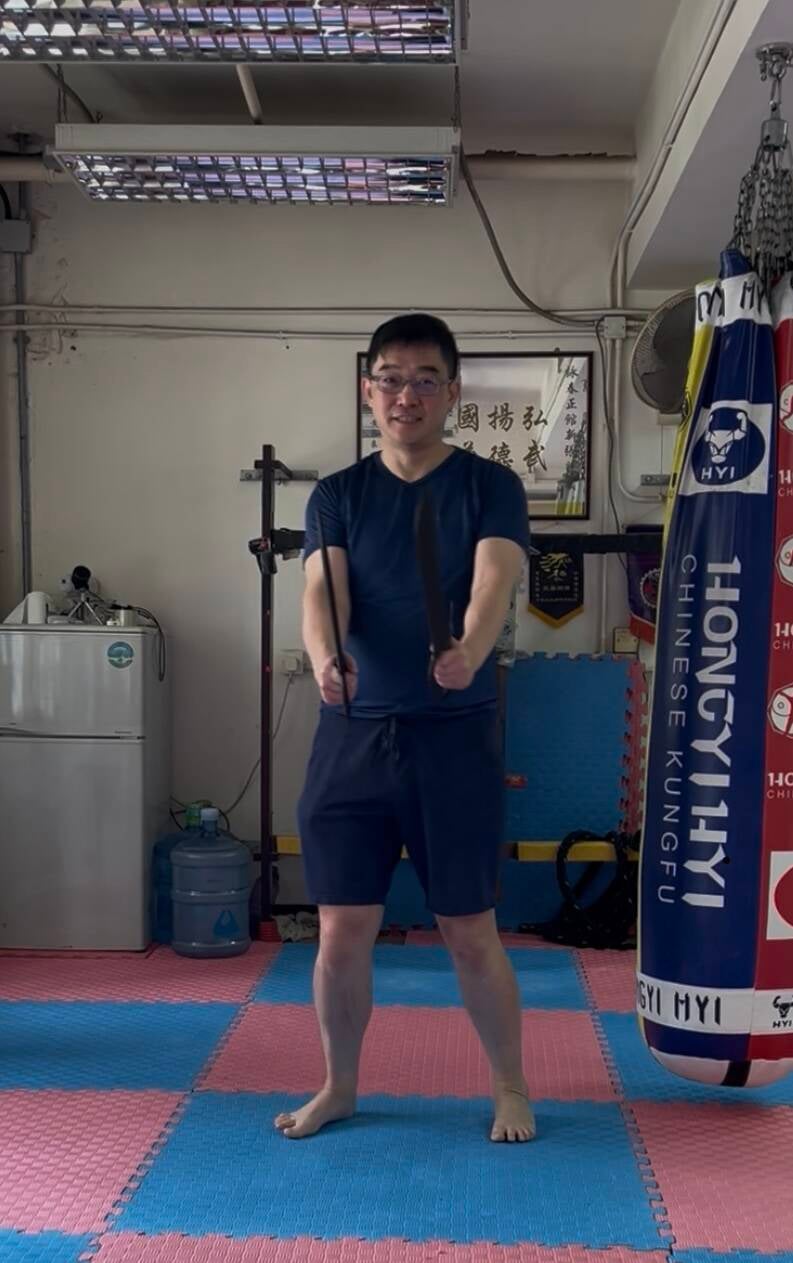
Six and a half point pole
The Wing Chun long pole form trains:
- powerful, grounded stance work
- long-range precision
- explosive thrusting power
- correct elbow and hip alignment
- full-body coordination
Pole techniques rely heavily on stance strength, Yiu Ma and structural alignment. The pole also strengthens the practitioner's core and lower body, improving empty-hand power.
Bart Jarm Do (Double Swords)
The Baat Jaam Do (Butterfly Swords) enhance:
- angle cutting
- stepping precision
- simultaneous attack and defence
- turning power
- close-range combat strategy
The knives demand high levels of discipline and are typically taught only after solid grounding in forms, Chi Sau, and the Wooden Dummy.
Create Your Own Website With Webador